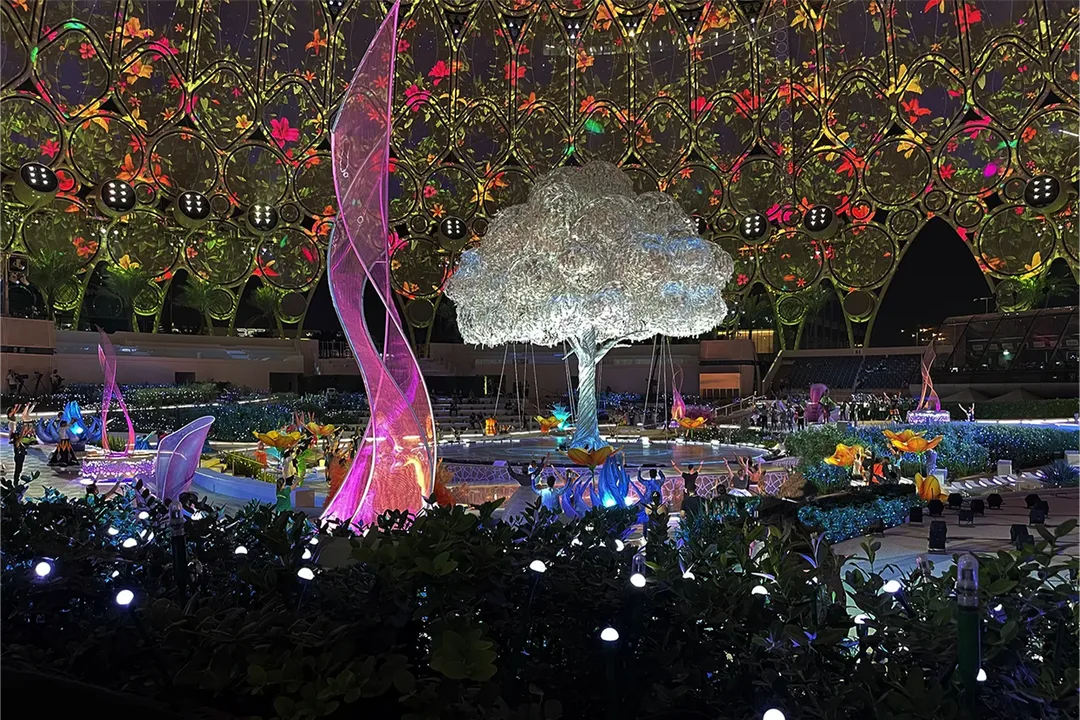
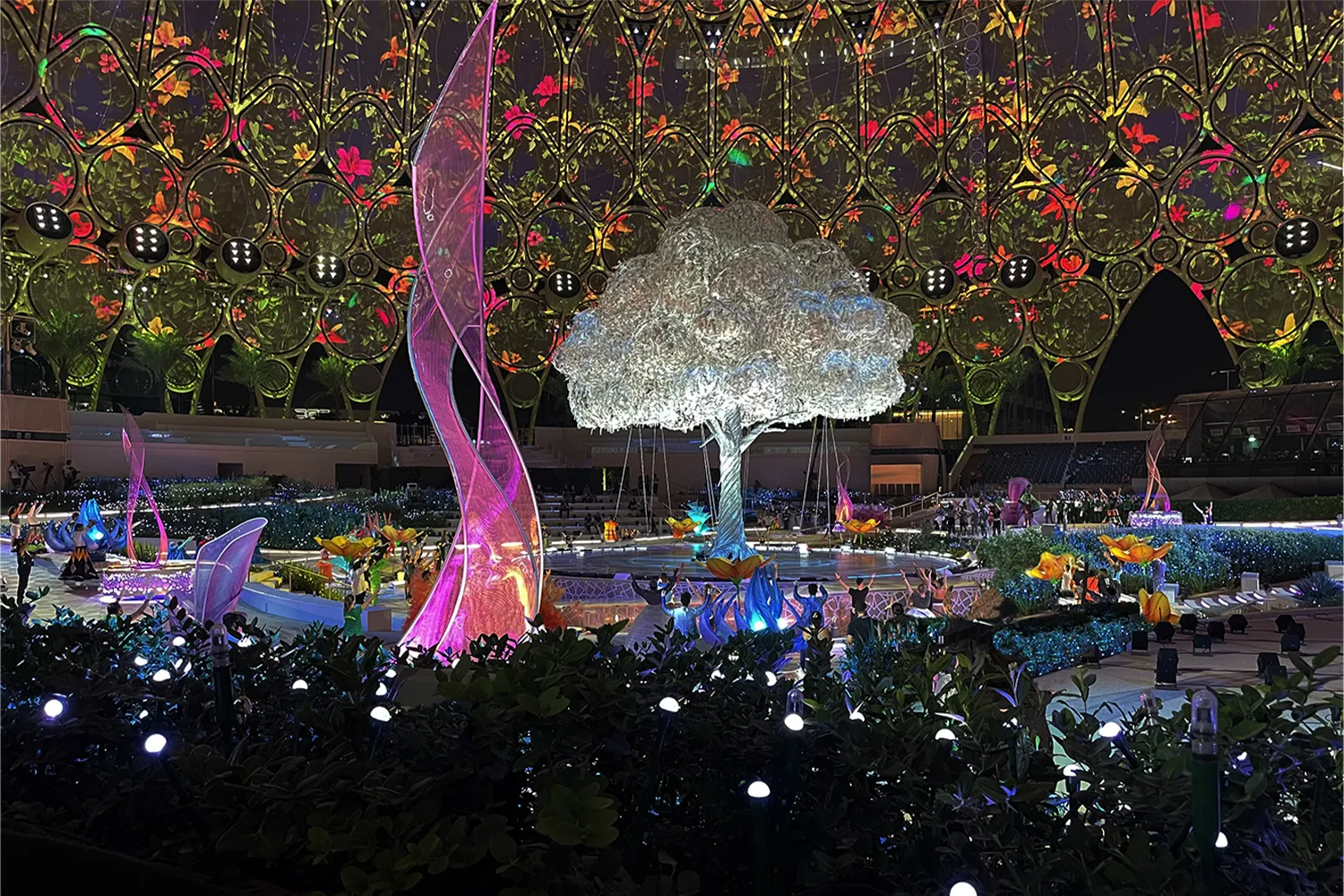
There was a time when many live events could be delivered through relatively simple production structures. A stage, some lighting, basic seating and a clear running order often proved sufficient. Audiences arrived, watched, and left with their expectations largely met. That era has passed. Modern experiences operate under entirely different conditions.
Today’s audiences move through environments that blend storytelling, hospitality, technical production, scenic environments, digital engagement, infrastructure, audience psychology and operational management all at once. These elements no longer sit in neat sequential layers. They interlock continuously from the first planning conversation through to the final audience departure. As expectations have risen, so has the complexity required to deliver experiences that feel seamless rather than assembled.
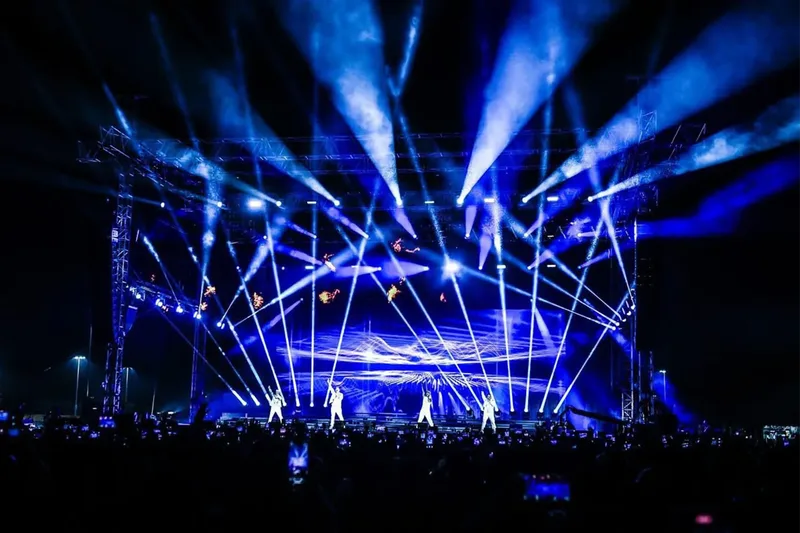
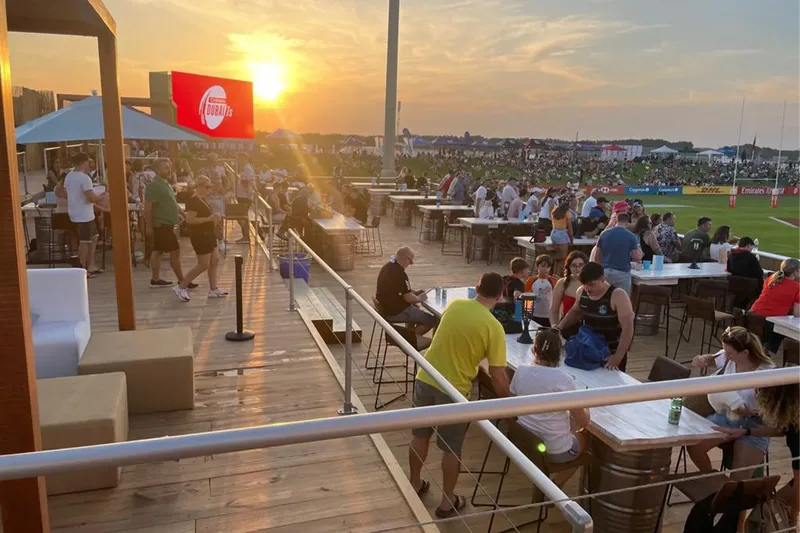
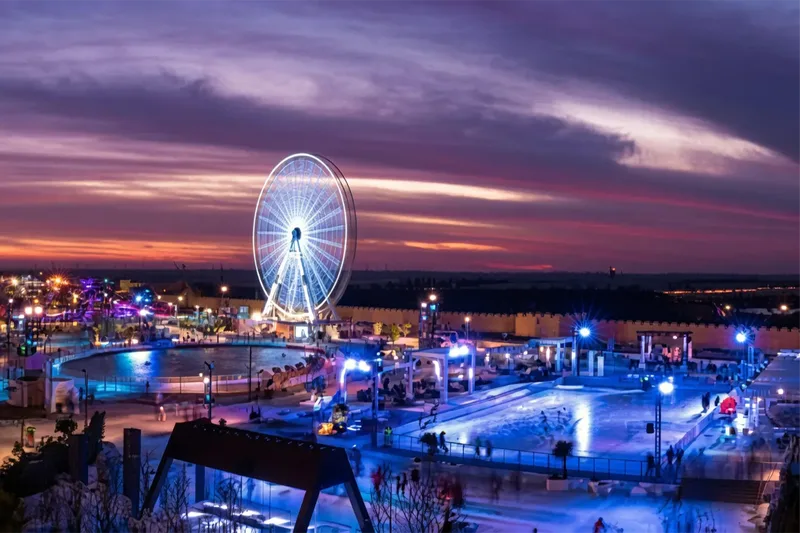
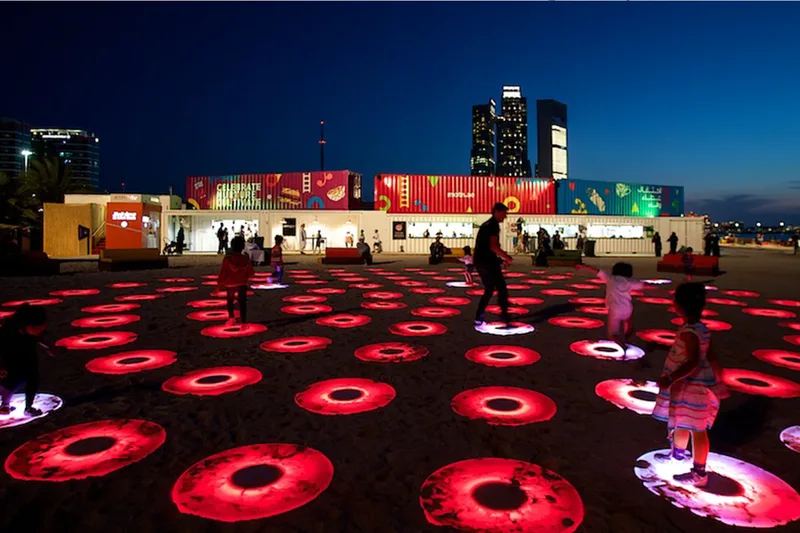
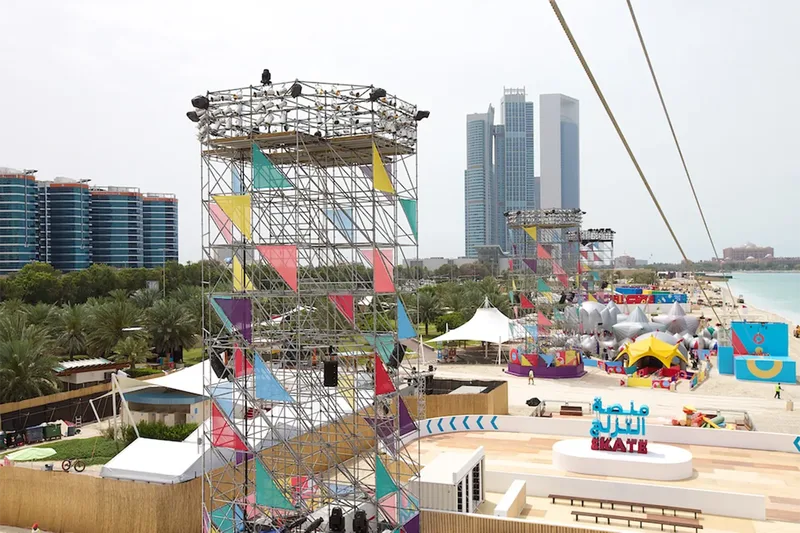
Consider a large-scale festival. Site planning must establish temporary infrastructure that can support tens of thousands of people while remaining flexible enough for late changes in weather or attendance. Crowd management systems have to anticipate flow patterns that shift according to the emotional peaks of the programme. Technical production teams install lighting and audio systems whose positioning is constrained by scenic builds and hospitality areas. Catering operations need service routes that avoid conflicting with audience sightlines and emergency egress. Public safety systems integrate with all of the above so that a single decision about a temporary roadway can affect everything from pyrotechnic clearances to guest comfort in hospitality lounges. None of these elements can be finalised in isolation. Each decision ripples across the others.
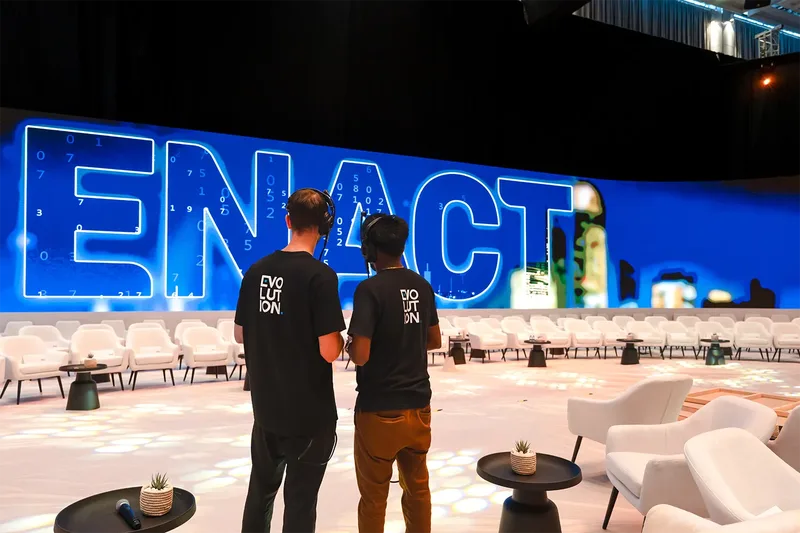
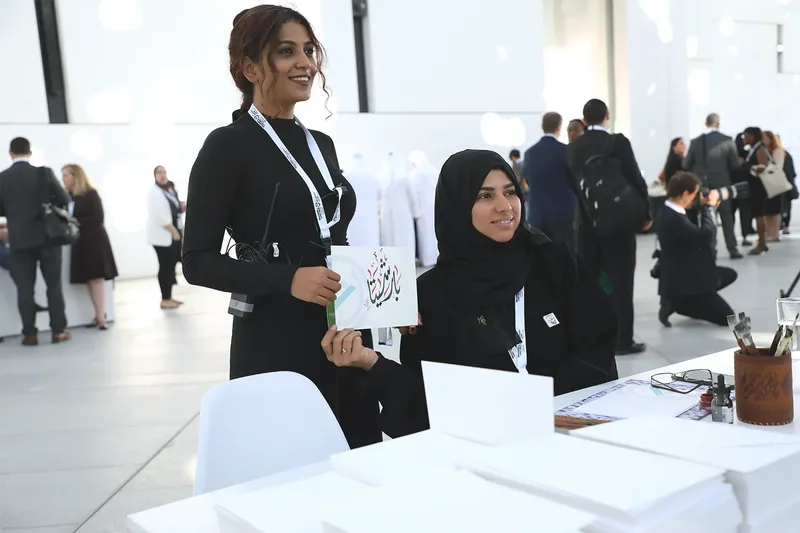
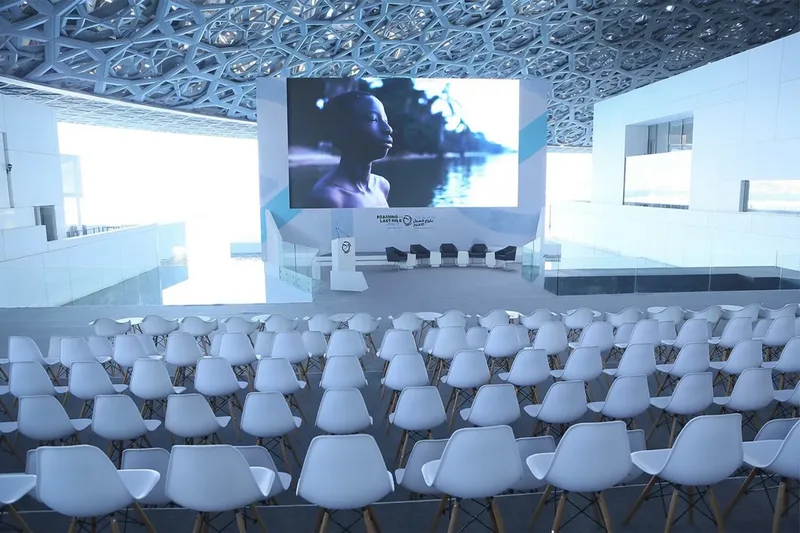
A corporate conference or summit faces its own dense web of dependencies. Content strategy determines the technical systems required for hybrid broadcast and interactive sessions. Delegate experience design influences registration architecture, networking environments and the placement of hospitality zones. Audience flow studies dictate where scenic treatments can create moments of arrival or transition without creating bottlenecks. Operational management must coordinate these moving parts while maintaining the quiet precision expected of a premium business event. When any one discipline works without full visibility of the others, small misalignments become visible to guests as friction: a registration desk that feels disconnected from the main space, a networking lounge whose lighting works against conversation, or technical cues that interrupt rather than support the narrative arc.
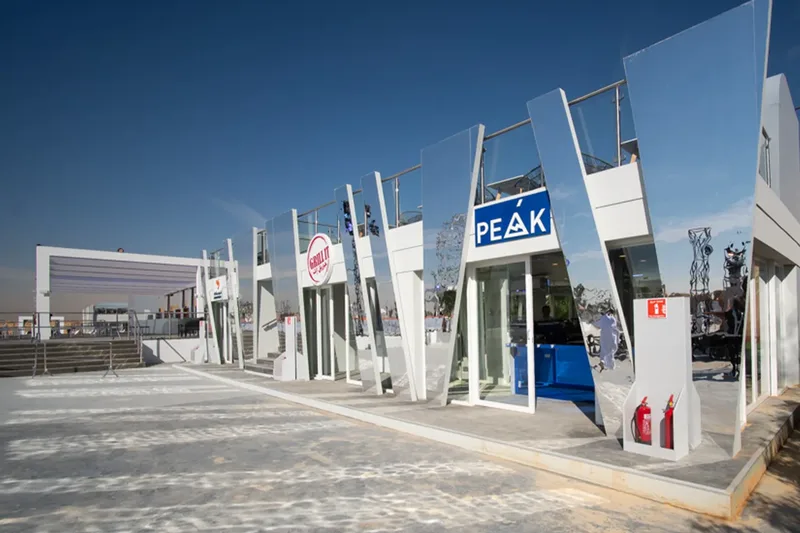
Immersive brand activations push the requirement for integration even further. Brand storytelling must be physically embodied through fabrication and environmental design. Technology for audience interaction has to be engineered into scenic structures that themselves need to be installed, powered and maintained within tight site logistics windows. Social engagement moments are choreographed around physical pathways that also serve as operational corridors for crew and catering. The emotional temperature of the experience is shaped as much by the quality of the furniture and table presentation as by the projection mapping or interactive screens. Logistics teams must protect delicate scenic elements and high-value technical equipment while moving them through the same temporary infrastructure that will later host guests. Again, the disciplines cannot be sequenced neatly; they must develop in parallel with constant cross-reference.
The strongest experiences therefore emerge through deliberate collaboration rather than departmental isolation. Specialist disciplines increasingly influence one another at every stage of project development. A creative decision about narrative tone immediately affects the choice of materials and finishes that scenic fabricators will use. Infrastructure choices — power distribution, temporary flooring, climate control — directly shape the atmosphere that hospitality and furniture teams are trying to create. Observed audience behaviour, gathered from previous events or early walk-throughs, feeds back into technical planning for sightlines, sound design and interactive zones. Hospitality offerings influence how long guests linger in particular spaces, which in turn recalibrates crowd density assumptions and operational staffing.
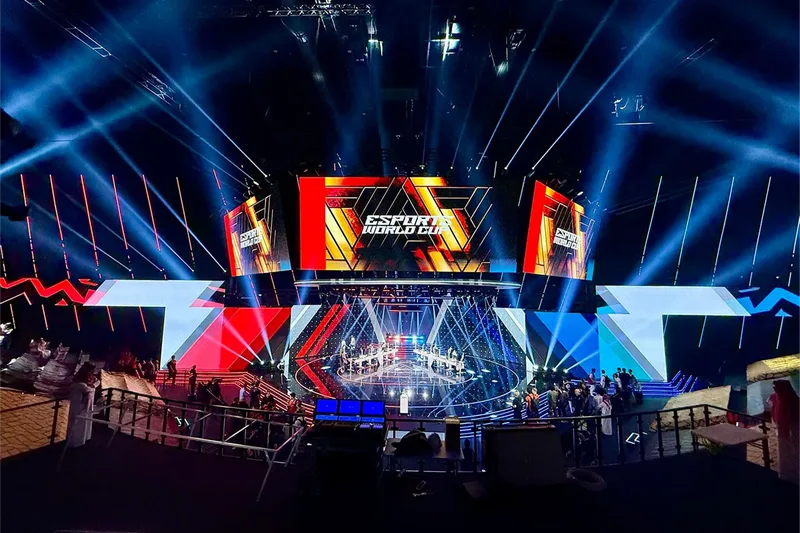
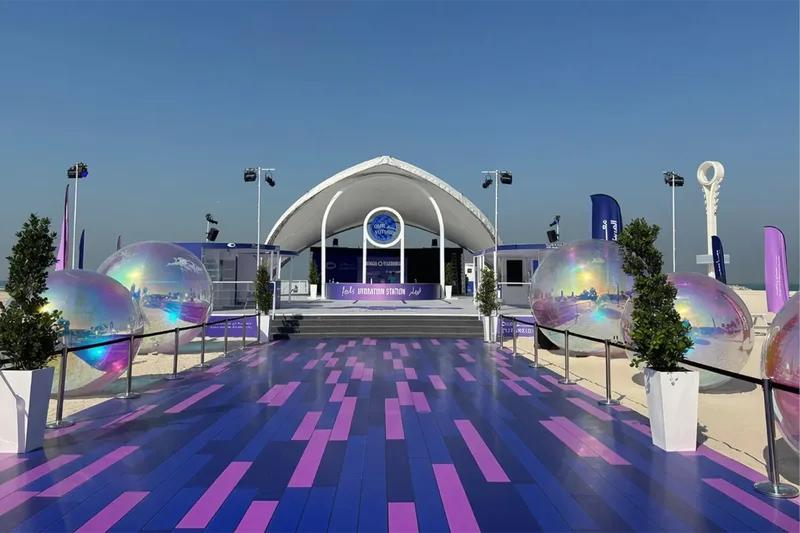
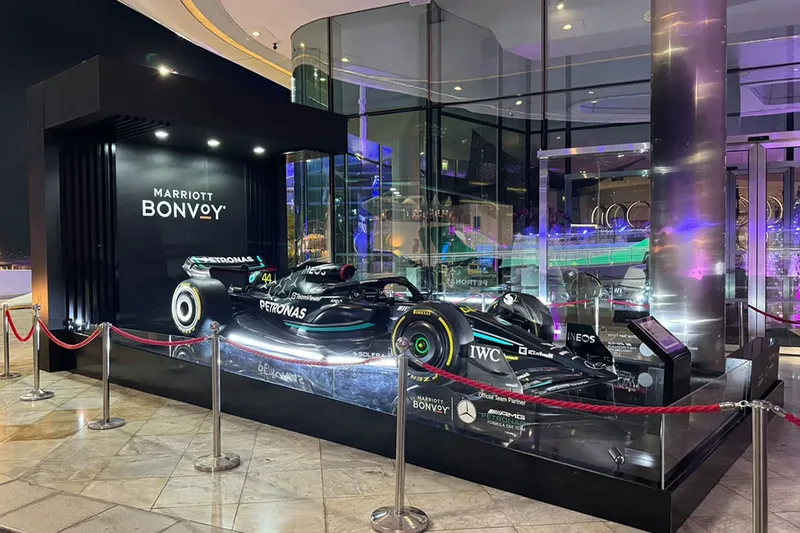
Modern experiences are no longer delivered by individual departments operating independently and simply handing work across at predetermined milestones. Successful environments rely on creative specialists, technical teams, scenic fabricators, infrastructure providers, hospitality operators, audience-experience designers, project managers and operational leadership working together from the earliest stages of development. Early alignment prevents the expensive rework that occurs when a beautiful scenic concept collides with an immovable technical requirement, or when a hospitality layout is completed before the temporary power and data routes are confirmed.
Importantly, audiences rarely perceive these disciplines as separate contributions. They experience the outcome as one connected environment. A guest does not think “the furniture team did well here” or “the technical department solved that lighting cue cleverly.” They simply feel whether the space works. When the lighting supports the mood created by the scenic finishes, when the furniture invites the exact type of conversation the programme intends, when the infrastructure is invisible yet utterly reliable, and when operational staff move with quiet confidence, the guest registers a single coherent experience. That coherence is the product of multidisciplinary collaboration long before anyone arrives onsite.
Across modern events, exhibitions, festivals, activations and public experiences, this form of integrated working has become the practical foundation of successful live delivery. Projects that treat specialist teams as sequential suppliers almost always reveal their seams under pressure. Projects that bring those same specialists into shared planning rooms, shared risk registers and shared creative reviews produce environments that feel inevitable rather than assembled.
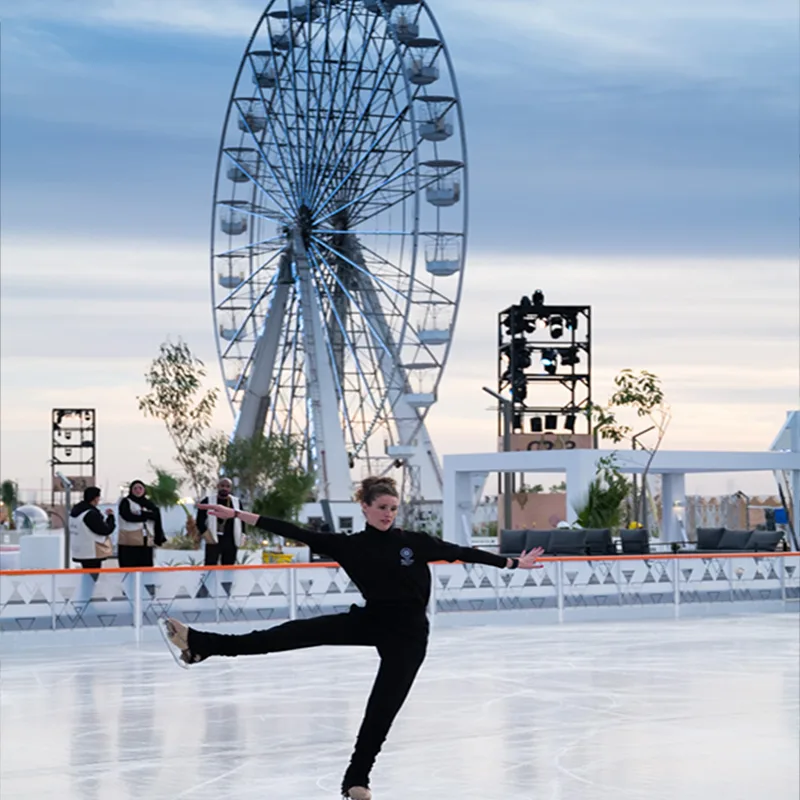
At Evolution we see this reality every week. Our structure exists precisely because the work demands it. Scenic teams develop fabrication methods and materials that technical departments must integrate for power, data and control. Site Services design temporary infrastructure and welfare that furniture and Prop Shop teams must then dress and operate within. Technical production builds systems whose weight, access and heat load affect both scenic engineering and hospitality layouts. Events teams hold the overall narrative and stakeholder relationships while ensuring every specialist contribution serves the same audience journey. Furniture and Table Art shape the human-scale moments of rest, conversation and dining that turn a technically perfect space into a hospitable one. Each discipline brings deep expertise; none can succeed in isolation on the projects that matter most.
The practical benefit of this approach appears most clearly under real operational pressure. When a client brief evolves mid-project — a common occurrence — an integrated team can re-evaluate implications across all disciplines simultaneously rather than discovering conflicts late. When site conditions prove different from drawings, the same shared understanding allows rapid, coordinated adjustment instead of sequential redesigns. When audience numbers or programme timing shifts on the day, crews who have planned together already understand how their work supports the others, reducing the risk of well-intentioned but conflicting decisions.
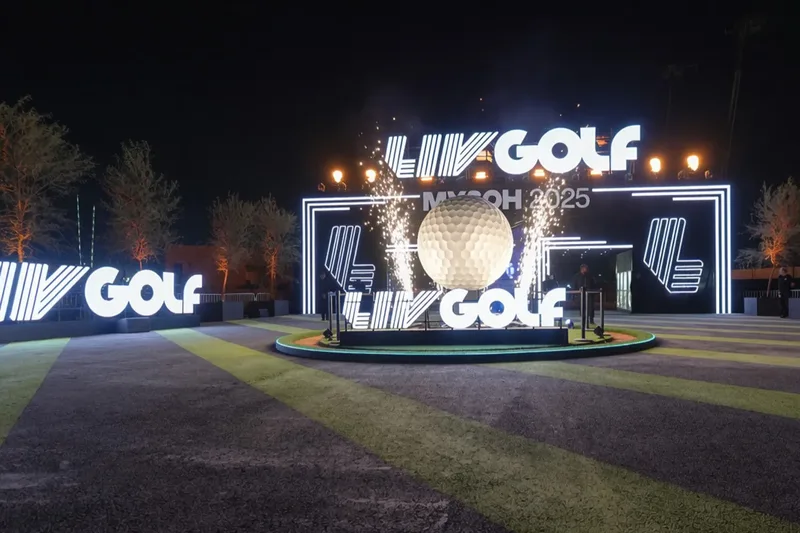
This is not theoretical. On major exhibition builds we have watched mezzanine structures, AV integration, sustainable material selections, custom furniture and operational flow all develop as a single conversation. On international cultural activations the temporary architecture, hospitality overlay, technical systems and audience journey have been engineered together so that logistics, fabrication and live delivery remain coherent across borders. On high-profile brand and sports experiences the storyboarding, scenic environment, technical production and VVIP hospitality have been treated as interdependent from the first concept review. In each case the quality of the final experience depended less on any single department’s excellence and more on the quality of the connections between them.
The industry continues to raise the bar. Clients and audiences now expect environments that feel complete, considered and effortless. Delivering that standard requires more than excellent individual craft. It requires organisations structured to let specialist disciplines influence one another productively from the earliest conversations. Isolated excellence is no longer enough. Integrated excellence has become the new baseline.
As live experiences grow more ambitious and more layered, the companies that will consistently succeed are those that treat multidisciplinary collaboration not as an optional coordination exercise but as the core method of production. The strongest projects create alignment between specialist teams long before audiences ever set foot on site. That alignment is what allows modern experiences to feel whole.