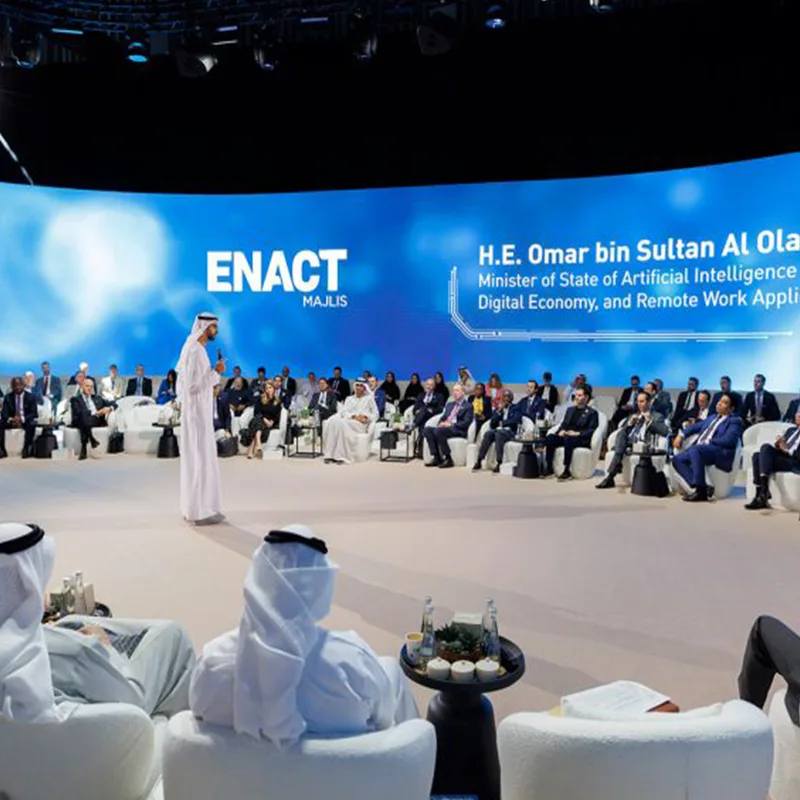
Corporate audiences are still human audiences. Yet many business events continue to prioritise schedules, presentations and branding while giving less attention to the emotional experience of the people physically moving through the environment itself.
An agenda may be meticulously planned and the content may be highly valuable, but neither guarantees meaningful engagement. Long before a keynote speaker takes the stage or a panel discussion begins, delegates have already started forming impressions. They notice how easy it is to navigate the venue, whether the registration process feels welcoming, how comfortable the seating is, whether conversations happen naturally, and if the environment encourages them to relax or remain guarded. These seemingly small moments collectively shape how people experience an event and influence their willingness to participate throughout the day.
The strongest corporate environments increasingly recognise that audience comfort, social confidence, hospitality rhythm, environmental atmosphere, movement flow, emotional pacing, networking ease and sensory comfort all influence how delegates engage with the wider event experience. When these elements are considered as carefully as the programme itself, people move more naturally through the venue, interact more openly with colleagues and peers, and absorb information with greater focus and clarity.
This approach reflects a broader shift in the way organisations think about business events. Success is no longer measured solely by attendance figures or the number of presentations delivered. Increasingly, it is judged by the quality of conversations that take place, the relationships that develop, the ideas that continue beyond the event, and the overall impression delegates take away. Those outcomes are shaped not only by speakers and content, but also by the environment that supports every interaction.
This becomes especially important during leadership forums, executive conferences, institutional summits, investor environments, business networking events, innovation forums, corporate launches and government-linked conferences. In these settings, relationship-building and genuine audience engagement often matter as much as formal information delivery. Delegates are expected to exchange ideas, build trust, discuss opportunities and establish meaningful professional connections, often within limited periods of time. The physical environment can either encourage those interactions or quietly create barriers that make them less likely to happen.
A well-designed corporate event therefore extends beyond staging, branding and logistics. It considers how people arrive, where they naturally gather, how transitions between sessions feel, where informal conversations are most likely to occur, and how the atmosphere evolves throughout the day. When these operational and human considerations are planned together, the result is an experience that feels intuitive rather than managed—one where delegates remain comfortable, engaged and receptive from arrival through to departure.
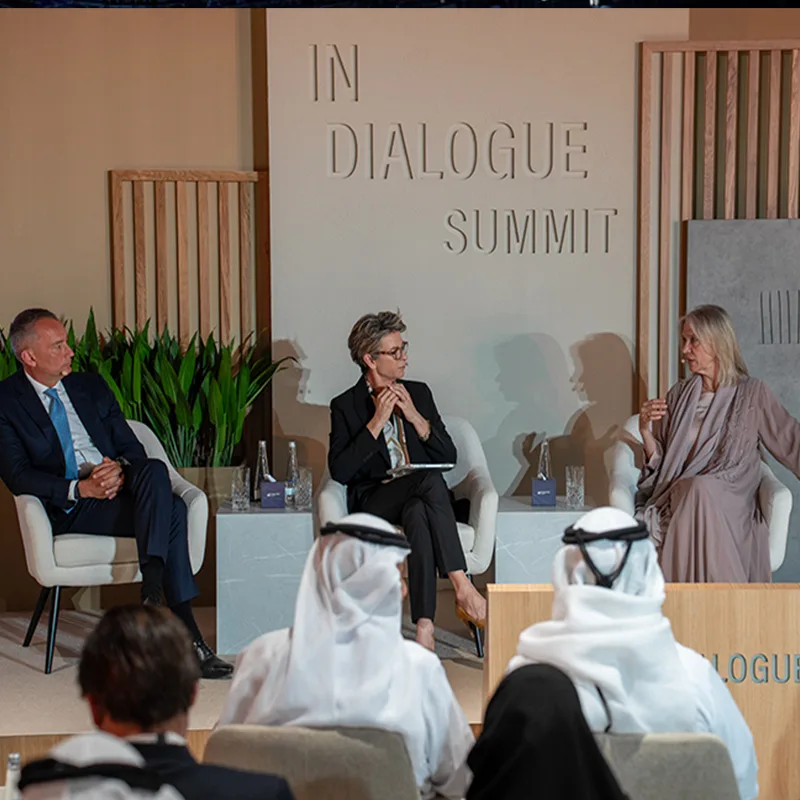
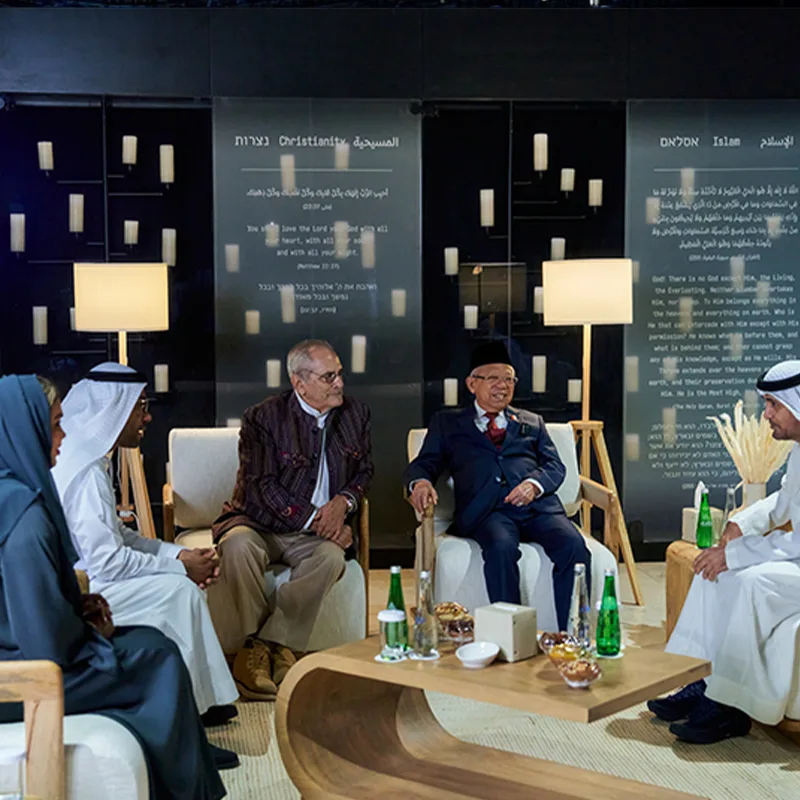
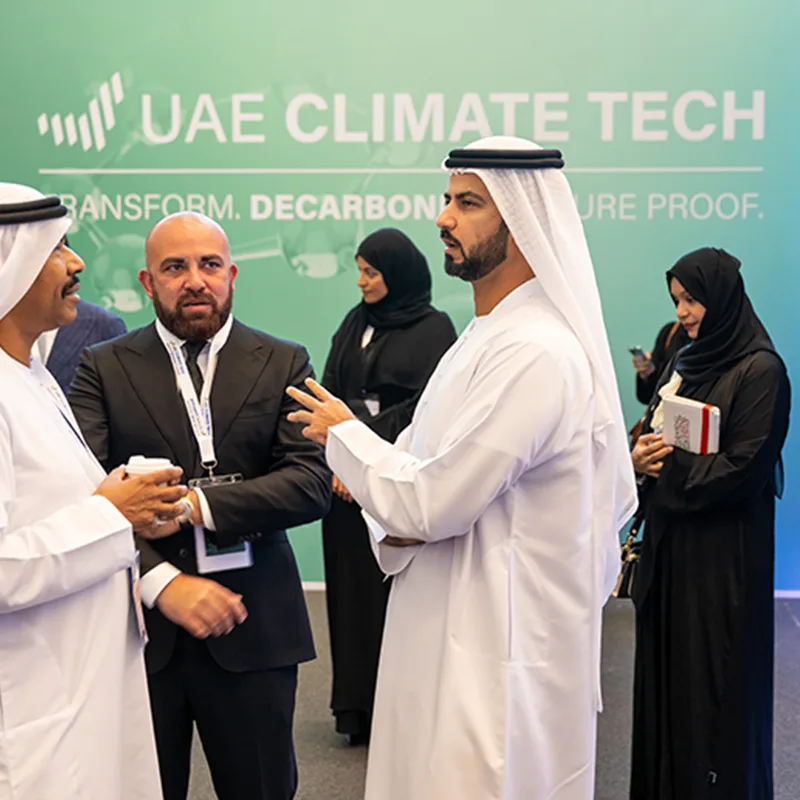
The strongest business environments therefore create spaces that feel welcoming, socially comfortable, professionally calm, emotionally intelligent, visually cohesive and operationally responsive throughout the wider delegate journey. Rather than treating hospitality, circulation and delegate welfare as secondary considerations, they are planned as integral parts of the overall event experience. Every space serves a purpose, whether it is encouraging conversation, providing a moment of respite or supporting the smooth transition between one part of the programme and the next.
Hospitality environments and networking lounges are positioned and furnished to encourage natural conversation rather than awkward clustering. Comfortable seating arranged in smaller groupings often creates more meaningful interactions than large open areas filled with standing delegates. Coffee points, informal meeting spaces and refreshment stations become natural social anchors where conversations develop organically, allowing relationships to form without feeling forced. These seemingly simple planning decisions can significantly influence the quality of networking throughout the event.
Lighting and acoustic treatments are equally important in shaping how delegates experience the environment. Large conference venues can easily become visually overwhelming or acoustically fatiguing, particularly during full-day programmes. Layered lighting, carefully managed sound levels and the strategic use of softer breakout areas create moments of calm within the energy of the main event. Delegates are able to step away for a brief discussion, gather their thoughts between sessions or simply recharge before returning to the programme with renewed focus.
Movement through the venue also deserves careful consideration. Seating layouts, circulation routes and transition spaces should feel intuitive, allowing delegates to move confidently without congestion or confusion. Clear wayfinding, generous circulation areas and logical adjacencies between meeting rooms, exhibition spaces and hospitality zones reduce unnecessary friction throughout the day. When movement feels effortless, attendees spend less time navigating the venue and more time engaging with speakers, exhibitors and fellow participants.
Scenographic consistency and material selection further reinforce the overall experience. Cohesive design language across staging, graphics, furniture and architectural elements creates a sense of professionalism while maintaining a welcoming human scale. Rather than relying solely on prominent branding, successful corporate environments communicate quality through thoughtful detailing, balanced proportions and a visual identity that feels coherent from arrival to departure.
Hospitality rhythm plays a particularly significant role in maintaining delegate engagement over the course of an event. Well-timed refreshments, thoughtfully located rest areas and intuitive service flows allow attendees to pause and recharge without feeling disconnected from the wider programme. Breaks should feel like a natural continuation of the event rather than an interruption, providing opportunities for informal discussion while preserving momentum. Equally, networking spaces that balance privacy with visibility give delegates the confidence to initiate conversations without feeling exposed or isolated.
Environmental comfort also has a measurable impact on how people engage. Temperature, ventilation, air quality, seating ergonomics, acoustic comfort and visual balance all influence concentration, energy levels and overall wellbeing. Individually these factors may seem subtle, yet together they determine whether delegates remain attentive and comfortable throughout a full day of presentations, discussions and networking. When these operational details are carefully managed, people are free to focus on the content and the relationships being built rather than the distractions created by an uncomfortable environment.
Importantly, creating more human corporate environments does not diminish professionalism. If anything, it reinforces it. Organisations that invest in thoughtful delegate experiences demonstrate confidence, attention to detail and an understanding that successful events are ultimately about people. Audiences increasingly associate calmness, comfort, operational competence and emotional intelligence with organisational maturity and event quality. A delegate who feels welcomed, respected and well supported within the physical environment is more likely to engage positively with the speakers, the brand and the wider event experience. In this way, the environment becomes a quiet but powerful expression of the organisation's values, communicating professionalism through experience rather than words alone.
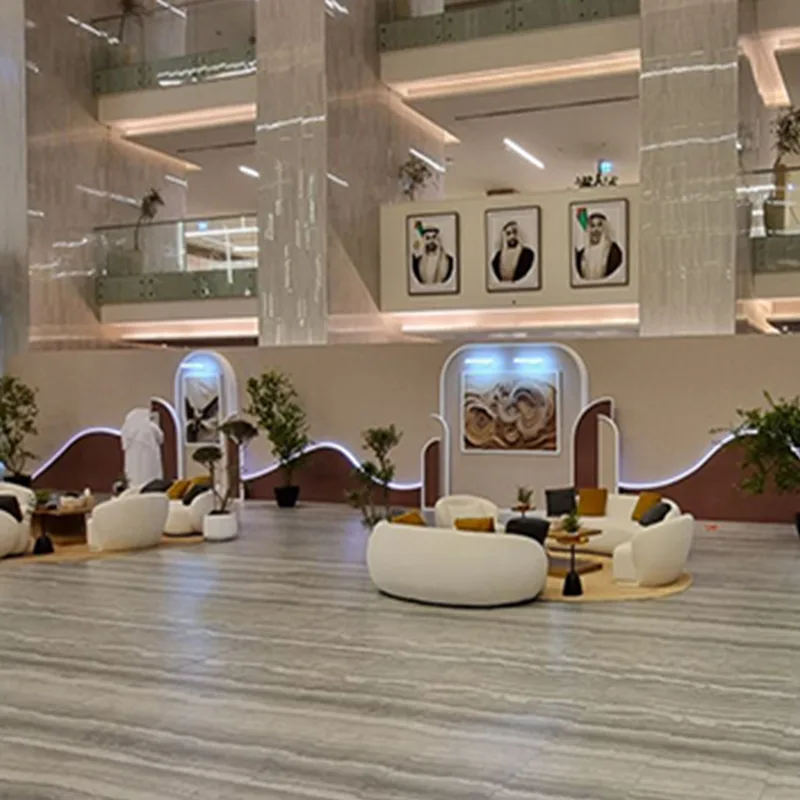
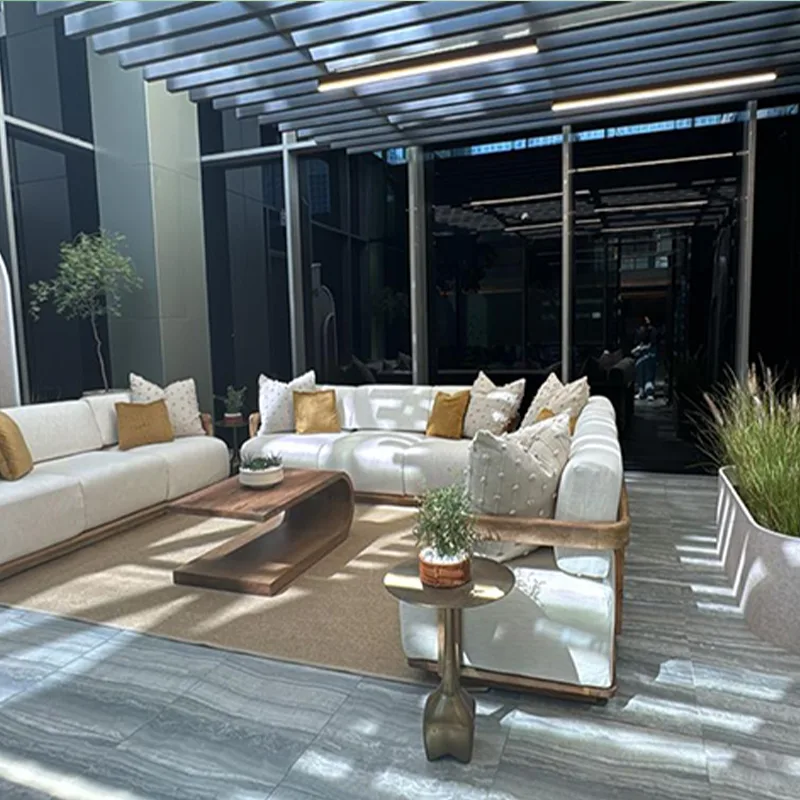
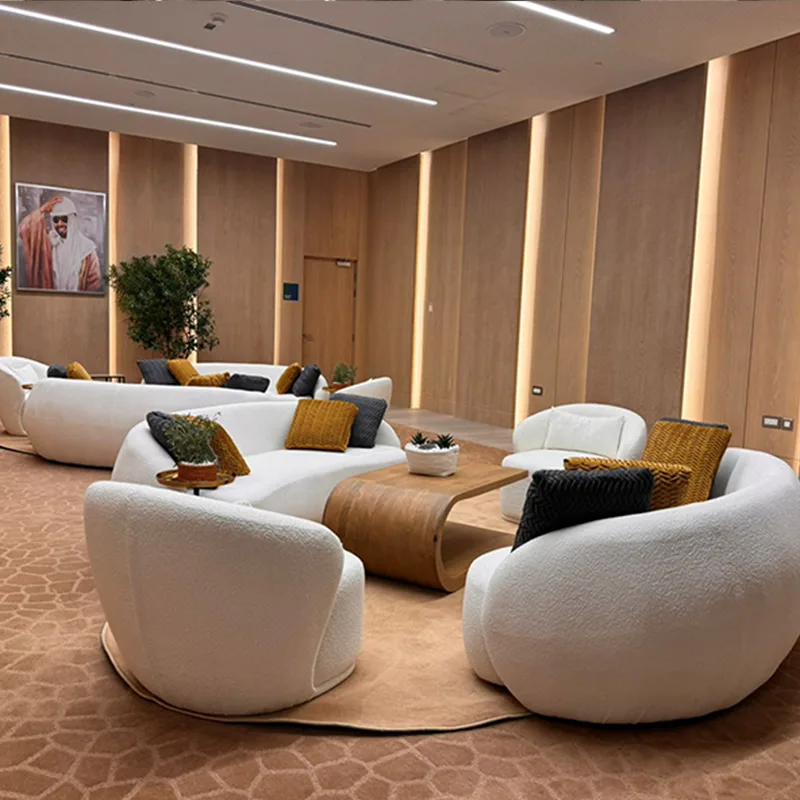
Across the UAE and Saudi Arabia, the strongest corporate experiences increasingly succeed because they balance strategic communication with genuine audience understanding under real live conditions. Organisations are placing greater emphasis on creating environments that not only communicate key messages effectively but also support the way people naturally interact, collaborate and make decisions throughout the day. In markets where business relationships are built on trust, professionalism and personal connection, the quality of the delegate experience often influences the overall success of the event as much as the content itself.
Executive hospitality areas that offer both privacy and connection allow senior stakeholders to hold meaningful conversations away from the pace of the main programme while remaining integrated with the wider event. Delegate lounges designed for productive informal discussions create opportunities for introductions, collaboration and spontaneous meetings that would rarely take place inside a formal conference session. Equally, venue layouts that respect the natural rhythm of a full-day programme—with logical transitions, comfortable breakout spaces and carefully timed hospitality—help maintain energy levels and encourage delegates to remain engaged from the opening session through to the closing remarks.
These environments are rarely successful by accident. They are the result of careful planning that considers operational logistics, audience behaviour, venue characteristics and programme requirements as interconnected elements rather than separate disciplines. Creative design, production planning, hospitality operations and technical delivery all contribute to shaping an experience that feels seamless for delegates, even though significant coordination is taking place behind the scenes.
Evolution Events approaches corporate event design with this human-centred perspective. Creative development begins by understanding the objectives of the event and the people it is designed to bring together, ensuring that every environmental decision supports both strategic communication and the delegate experience. Spatial planning, audience flow, hospitality design and production elements are developed as part of a single integrated approach, allowing each component to reinforce the others rather than compete for attention.
Operational planning is equally important. Robust scheduling, coordinated supplier management, responsive production teams and carefully considered contingency planning reduce friction throughout the live environment, allowing organisers and delegates alike to remain focused on the purpose of the gathering. Technical systems, lighting, staging and audiovisual production are designed to support communication with clarity and confidence, while hospitality services are carefully integrated to enhance the overall experience without interrupting its rhythm. The result is an event that feels calm, intuitive and professionally managed, even when the operational complexity behind it is considerable.
The most successful corporate events recognise that delegates arrive with more than professional responsibilities alone. They bring their attention, energy, expectations and desire to connect with others in meaningful ways. They respond to environments that feel organised without being rigid, welcoming without sacrificing professionalism, and carefully designed without becoming overwhelming. When an event acknowledges these human needs alongside its business objectives, engagement becomes more natural, conversations become more valuable and the overall experience leaves a stronger and more lasting impression.
Ultimately, successful corporate events are measured not simply by the agenda that was delivered, but by the relationships that were strengthened, the ideas that were exchanged and the confidence that participants take away with them. By designing environments that respect people's need for comfort, connection, clarity and calm, organisations create experiences that are not only operationally successful but genuinely memorable. It is this balance between strategic intent and human understanding that defines the most effective corporate events today and will continue to shape the future of business gatherings across the region.